In the rich tapestry of Scottish heritage, the Scottish kilt stands as an iconic symbol of tradition, pride, and cultural identity. The Scottish kilt, with its distinctive tartan patterns, signifies clan affiliations and family histories. Whether worn during ceremonial events or modern occasions, the Scottish kilt continues to embody a timeless connection to Scotland’s past and present. In this article, we delve into the intricacies and all aspects of Scottish kilts, unraveling their historical significance, cultural resonance, and the enduring allure that makes them more than just a piece of clothing.
History of Scottish Kilt
The Scottish kilt, a symbol of Scottish heritage, has a rich history dating back to the 16th century. Originally a practical garment for the rugged terrain, it evolved into a distinctive cultural icon. The modern kilt, characterized by its tartan patterns, emerged in the 18th century, representing clan affiliations. During the Victorian era, the kilt gained popularity as formal attire, solidifying its status as a symbol of Scottish identity. Today, kilts are worn with pride during special occasions and celebrations, reflecting a timeless connection to Scotland’s past. The intricate design and cultural significance make the Scottish kilt a cherished piece of history.
Occasions and Events Where Scottish Kilt Shines
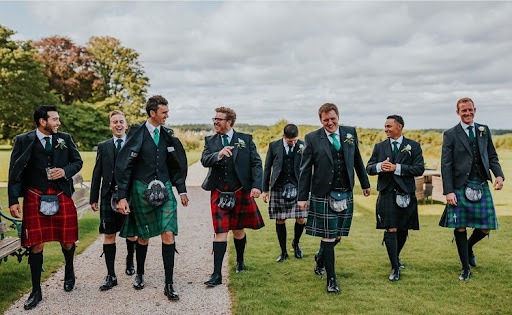
The Scottish kilt is a quintessential garment that shines brightly on various occasions and events. Its rich cultural significance and timeless elegance make it a favored choice at formal gatherings like weddings and celebrations. The kilt, with its distinct tartan patterns, proudly represents Scottish heritage, making it an ideal choice for cultural festivals and gatherings. Moreover, the kilt’s versatility extends to more casual events, seamlessly blending tradition with modern style. Whether donned at ceilidh dances, Highland games, or special ceremonies, the Scottish kilt stands as a symbol of pride and tradition, capturing the essence of Scotland’s rich history on diverse social occasions.
Symbolism Behind the Wearing Scottish Kilt
The Scottish kilt, a traditional garment with deep historical roots, symbolizes Scottish pride and heritage. Its distinctive tartan patterns passed down through generations, often signify clan affiliations, fostering a sense of identity and belonging. Beyond aesthetics, the kilt embodies resilience, as its origins trace back to the rugged landscapes of Scotland. Wearing the kilt is a tribute to the nation’s enduring spirit and cultural resilience. Additionally, the sporran, a pouch worn with the kilt, symbolizes practicality and resourcefulness, reflecting the everyday needs of Highlanders. The symbolism behind the Scottish kilt serves as a tangible connection to Scotland’s rich past and enduring traditions.
Kilts in Ireland
Kilts, a traditional Scottish garment, have gained popularity in Ireland, symbolizing a rich cultural exchange. While the kilt’s origins are Scottish, its presence in Ireland is a testament to the interconnectedness of Celtic traditions. In modern Irish culture, kilts are often worn during formal events, weddings, and celebrations, showcasing a fusion of Celtic heritage. The kilt’s distinctive tartan patterns reflect familial or regional affiliations, adding a personalized touch to Irish attire. Embraced for their comfort and style, kilts in Ireland embody a cross-cultural embrace, emphasizing the shared history and traditions between the Celtic nations. For More About Information Go to Kilts in Ireland Which encapsulates the symbolic and fashionable aspects of this tradition.
Modern Trends in Scottish Kilt Fashion
In contemporary Scottish kilt fashion, traditional styles seamlessly blend with modern influences, reflecting a dynamic evolution in the iconic garment. Designers now experiment with diverse fabrics, colors, and patterns, offering a broader spectrum of choices. Contemporary kilts often feature innovative fastenings and accessories, providing both functionality and style. Customization options have expanded, allowing individuals to personalize their kilts. Moreover, fashion-forward interpretations incorporate kilts into everyday wear, transcending ceremonial contexts. The resurgence of interest in Scottish heritage has fueled a global appreciation for kilts, making them a versatile and stylish choice. This fusion of tradition and modernity signifies the enduring relevance of Scottish kilt fashion in today’s diverse sartorial landscape.
Traditional Scottish Kilts
Traditional Scottish kilts are iconic garments with deep historical roots, symbolizing Scottish heritage and pride. Originating in the 16th century, kilts evolved from practical Highland attire to cultural symbols adorned on special occasions. Typically made of wool and featuring unique tartan patterns, each kilt represents a specific clan or region. The ensemble includes accessories like a sporran, sgian-dubh, and a kilt pin. Kilts are donned during ceremonies, weddings, and celebrations, embodying a sense of tradition and unity among Scots. Beyond their aesthetic appeal, the Traditional Scottish Kilt centuries of Scottish identity, reflect the enduring legacy of a vibrant cultural heritage.

Maintenance and Care of Scottish Kilts
Maintaining and caring for your Scottish kilt ensures its longevity and timeless elegance. Start by brushing off any debris with a soft-bristle brush to preserve the fabric’s integrity. Dry cleaning is recommended for wool kilts, but sporran and kilt pins should be removed before cleaning. For stains, spot-treat with a mild detergent. Hang the kilt on a well-shaped hanger to retain its pleats and avoid wrinkles. Store in a breathable garment bag to protect it from dust and sunlight. Regular inspections for loose threads or damaged pleats are crucial. Following these practices will keep your Scottish kilt in impeccable condition for generations.
Conclusion
In conclusion, the Scottish kilt stands as a timeless symbol of tradition, pride, and cultural heritage. Its unique design, rich history, and significance make it more than just a piece of clothing; it is a powerful emblem of Scotland’s identity and a testament to the enduring connection between past and present generations. As we continue to celebrate and appreciate this iconic garment, the Scottish kilt remains a vibrant and cherished part of the country’s cultural tapestry, weaving a story of resilience, honor, and a sense of belonging.
FAQs
Can anyone wear a Scottish kilt, or is it reserved for specific groups?
Scottish kilts are not exclusive to any particular group. Anyone, regardless of their background, can wear a kilt to celebrate Scottish culture, express personal pride, or participate in special occasions.
How do I determine the right tartan pattern for my Scottish kilt?
Tartan patterns often connect to specific clans or regions. If you have Scottish ancestry, you might choose a tartan associated with your family. However, individuals without Scottish heritage are free to select any tartan that resonates with them.
Are there rules for wearing a Scottish kilt?
While there are traditions and guidelines, wearing a Scottish kilt is a personal expression. Generally, ensure the pleats are at the back, and the kilt sits at the natural waist. Beyond that, it’s about personal comfort and style.
Can I wear a Scottish kilt to formal events other than weddings?
Yes, Scottish kilts are suitable for various formal events, including ceremonies, dinners, and celebrations. Many individuals choose to wear kilts to honor their heritage or add a touch of tradition to special occasions.
How do I clean and care for my Scottish kilt?
The care depends on the material. Wool kilts should be dry-cleaned, while some modern kilts made of synthetic materials may be machine-washable. Always follow the care instructions provided and store your kilt properly to maintain its quality.
 Fashion Blog